
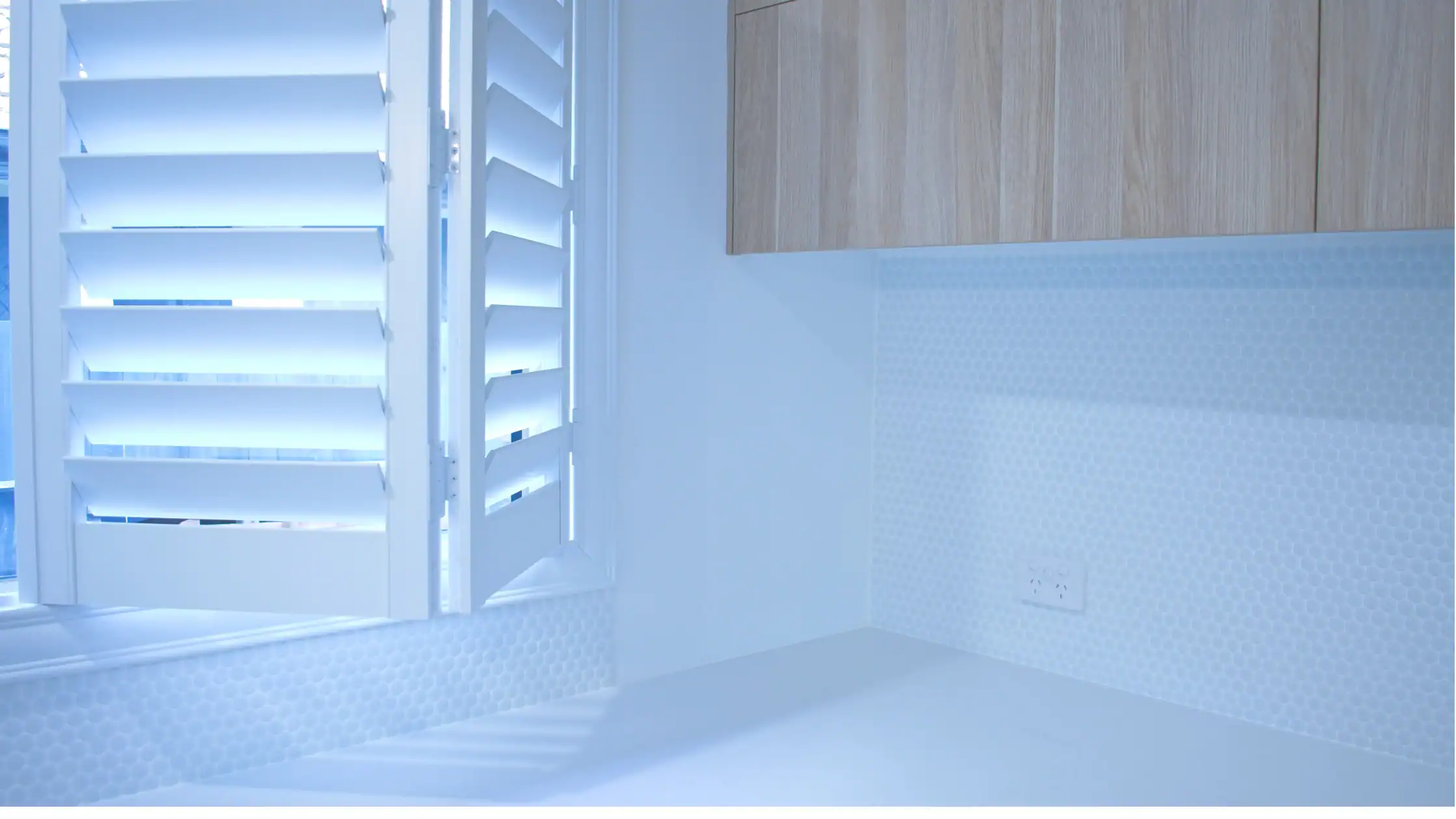
A homeowner once described replacing her old window coverings as a lesson in how similar products can perform very differently. The samples in the showroom all looked attractive, but once installed, one set of Shutters closed smoothly and blocked harsh afternoon glare, while another began to sag and scrape against the frame within months. The difference was not immediately visible. It was hidden in the materials, construction and installation quality.
Choosing shutters based only on colour or price can lead to disappointment. Well-made shutters should operate smoothly, withstand daily use and maintain their appearance through changing seasons. Understanding the features that influence performance helps homeowners identify genuine quality rather than relying on polished displays or persuasive sales language.
What Makes the Best Quality Plantation Shutters Stand Out?
The best quality plantation shutters combine durable materials, precise manufacturing and professional fitting. Each component must work together. Strong panels mean little if the hinges are weak, while premium finishes cannot compensate for inaccurate measurements.
Quality products usually share several characteristics:
- Panels that remain square and stable over time
- Louvres that rotate evenly without dropping
- Frames that sit firmly against the opening
- Smooth, consistent paint or protective coatings
- Hardware designed for repeated daily movement
- Materials suited to the room’s moisture and sunlight levels
- Reliable warranties covering both products and artistry
These details affect much more than appearance. A carefully built shutter can support privacy, light control, insulation and everyday convenience for years. A poorly built product may develop gaps, loose blades, or uneven panels, weakening each of those benefits.
Strong, Stable Materials
Material quality forms the foundation of long-term performance. Timber, engineered wood, PVC and aluminium each have advantages, but the material must suit the window location and surrounding conditions. A product that performs beautifully in a dry bedroom may react differently in a humid bathroom or a sun-exposed living area.
Homeowners comparing Plantation Shutters should ask what the panels are made of rather than accepting broad descriptions such as ‘timber-look’ or ‘moisture-resistant’. The internal composition, density and protective coating all affect whether the panels remain straight, resist swelling and withstand repeated cleaning.
Good material selection commonly includes:
- Dense hardwood for a refined natural appearance
- Engineered timber for improved consistency
- Moisture-resistant polymers for bathrooms and laundries
- Aluminium for exposed or demanding environments
- Reinforced cores for wide or frequently operated panels
A well-matched material reduces the risk of bowing, cracking, fading and surface damage. It also helps the shutters retain their original alignment as the surrounding temperature and humidity change.
Precise Measurements and Custom Construction
A shutter should fit the opening like a tailored jacket rather than a loose cover. Even a small measuring error can create uneven gaps, restrict panel movement or allow unwanted light to pass around the frame. Custom manufacturing gives installers greater control over panel width, hinge placement and frame depth.
When comparing suppliers offering shutters in Sydney, homeowners should ask whether the product is manufactured to the exact opening or is adjusted from standard sizes. Made-to-measure systems generally create cleaner lines and more consistent operation, particularly in older homes where window openings may not be perfectly square.
Accurate construction also accounts for:
- Window handles and locks
- Skirting boards and architraves
- Uneven reveals
- Sliding or folding requirements
- Panel weight
- Required clearance
- The direction each panel will open
These details may seem small during the quoting stage, but they shape how practical the finished product feels in everyday use.
Smooth and Reliable Louvre Operation
Louvres are the moving heart of a plantation shutter. They should rotate together, hold their selected angle and close evenly across the panel. Loose blades can gradually drop under their own weight, while overly tight mechanisms make adjustment frustrating.
A quality window shutter uses dependable tension systems, well-positioned connectors and accurately drilled components. When the louvres close, they should overlap consistently without obvious light gaps. When opened, they should align neatly rather than pointing in slightly different directions.
During a showroom visit or consultation, test the movement several times. Open and close the blades slowly, then leave them at a partial angle. The blades should stay in place without slipping. This simple test can reveal more about the build quality than a product brochure.
Durable Hinges, Magnets and Hardware
Shutter hardware supports each panel and controls how securely it sits in the frame. Thin hinges, loose screws, and weak magnets can cause panels to sag, rattle, or move out of alignment. These problems are especially common in wide openings, where each panel exerts greater pressure on the fittings.
Reliable Shutters often use corrosion-resistant hinges, strong fixing points and discreet magnetic catches. The hardware should support the panel without detracting from the design. Screws should sit neatly, and hinge movement should feel controlled rather than loose.
Useful hardware features include:
- Stainless steel or corrosion-resistant components
- Reinforced hinge areas
- Adjustable tension mechanisms
- Strong but unobtrusive catches
- Child-safe operating designs
- Replaceable parts
- Hardware covered by the product warranty
Hardware is sometimes treated as a minor detail, yet it can determine whether shutters remain aligned after years of regular use.
A Smooth and Consistent Finish
The finish protects the shutter while shaping its visual appeal. Painted surfaces should appear even across frames, edges and louvres, with no bubbling, rough patches or visible colour variation. Stained timber should display a balanced tone while retaining its attractive grain.
Buyers researching shutters in Australia should ask how finishes are tested for ultraviolet exposure, moisture, and household cleaning. Strong coatings help reduce yellowing, peeling, and surface wear, particularly on windows that receive direct sunlight for several hours each day.
The finishing process should also cover less visible areas. Bare edges or poorly sealed joints can absorb moisture and deteriorate before the main surface shows any damage. A consistent protective layer gives the entire shutter a better chance of ageing evenly.
Frames That Improve Light Control
The frame determines how closely the shutter connects with the window opening. A well-designed frame helps reduce light leakage, supports the panels and creates a finished architectural border. Poorly fitted frames may reveal uneven gaps or leave the product looking like an afterthought.
Quality shutter blinds may include overlapping stiles, rebated sections or light-blocking strips that reduce brightness around the panel edges. These features are especially valuable in bedrooms, media rooms and street-facing spaces where privacy is a priority.
The right frame style should complement the existing window. Options may include:
- Inside-mount frames for deep reveals
- Outside-mount frames for shallow openings
- Decorative frames that cover uneven edges
- Minimal frames for modern interiors
- Tracks for wide doors and large openings
An experienced consultant should explain which frame supports both appearance and function rather than simply recommending the easiest product to install.
Suitable Designs for Large Openings
Wide windows and sliding doors put greater pressure on panels, hinges, and tracks. Large installations require careful planning so the shutters remain easy to move without blocking access or placing excessive weight on individual components.
Homeowners researching diy plantation shutters for sliding glass doors should review the weight, track system and required clearances before ordering. Sliding, bi-fold and multi-panel configurations can all work, but the design must reflect how frequently the door is used and where the panels will sit when opened.
For a busy family room, the system should allow quick access to the door without moving several panels. In a formal living space, a wider panel arrangement may create a cleaner visual result. Practical movement patterns should guide the design, not appearance alone.
Moisture and Heat Resistance
Bathrooms, kitchens and laundries expose window coverings to steam, condensation and temperature changes. Standard timber may expand or contract if it is not properly sealed, while unsuitable coatings can soften or discolour.
Products sold as moisture-resistant should have clear information about where they can be installed. Aluminium plantation shutters or high-grade polymer options may be better suited to wet areas, but joints, hardware and frames must also tolerate the environment.
Heat resistance matters near large west-facing windows. Strong sunlight can place ongoing stress on coatings and panel materials. Asking how the product has been tested helps separate genuine performance claims from broad marketing statements.
Interior and Exterior Applications
Indoor shutters and outdoor shutters face different demands. Interior systems focus on privacy, insulation and design, while exterior products must withstand rain, wind, dust and more extreme temperature changes. Using an indoor product outdoors can lead to premature deterioration and warranty issues.
Homes with windows with exterior shutters may benefit from added shade and weather protection, but only when the system is designed for outdoor exposure. Exterior installations require secure fixings, corrosion-resistant hardware, and finishes designed for direct sunlight.
Similar care is required when placing exterior shutters on windows located near coastal areas. Salt air can attack untreated metal components and weaken surface coatings. Buyers should ask whether the full system, including screws and tracks, is rated for the local environment.
External Aluminium Systems
For exposed patios, balconies and outdoor rooms, external aluminium plantation shutters can provide adjustable shade, privacy and airflow. Their strength makes them suitable for larger openings, while their powder-coated surfaces provide long-term weather resistance.
Quality aluminium systems should include:
- Strong extruded profiles
- Durable powder coating
- Outdoor-rated hinges and tracks
- Secure locking options
- Drainage or ventilation allowances
- Wind-rated installation where required
- Clear maintenance instructions
Homeowners placing outside shutters on Windows should also review local building requirements and installation conditions. Elevated sites, coastal locations and highly exposed walls may require additional engineering or stronger fixing methods.
Comparing Shutters With Other Window Coverings
Shutters provide structure and adjustable light control, but they are not the only option. Blinds Sydney suppliers may recommend roller, Roman, or Venetian designs for homeowners seeking softer lines, lower upfront costs, or easier coverage of unusually shaped spaces.
Likewise, Curtains Sydney options can add texture, acoustic softness and full-height coverage. Curtains may also be layered with shutters to strengthen room-darkening performance and create a more decorative interior.
The best choice depends on the room and daily routine. A bedroom may benefit from shutters paired with blockout curtains, while a compact kitchen could suit a simple moisture-resistant panel. Comparing performance rather than following a single design trend yields better results.
Quality Installation and Final Adjustments
Even a premium product can perform poorly when installed incorrectly. Frames must be level, panels must be aligned, and moving components must be adjusted before the project is finished. Installers should also check that nearby handles, doors and furniture do not restrict operation.
A reputable plantation shutters Sydney provider should inspect the completed work with the homeowner. Each panel should open freely, remain stable and close without scraping. Gaps should appear balanced, and catches should hold the panels securely.
A professional handover may include:
- Testing every panel and louvre
- Checking frame alignment
- Adjusting hinges and tension
- Explaining cleaning methods
- Reviewing warranty conditions
- Providing care instructions
- Recording any installation concerns
This final inspection helps identify small issues before they become ongoing frustrations.
Warranty Coverage and Supplier Support
A long warranty can sound impressive, but the wording matters more than the number of years. Some warranties cover only the panel material, while excluding finishes, hardware, labour or installation adjustments. Others reduce coverage over time.
Before ordering, ask who handles warranty claims and whether the installer remains responsible for artistry. Local support can make repairs and replacement parts easier to arrange than dealing with a distant manufacturer.
Buyers may also compare shutters with Australian roller shutters when security, room darkening, or storm protection is the main goal. These products serve different purposes, so warranty coverage and expected performance should be reviewed separately rather than treated as interchangeable.
A Practical Quality Checklist
A showroom sample gives only part of the story. Asking direct questions helps uncover how the product is built, tested and supported. Bring window photographs and measurements to the consultation so the supplier can discuss likely configurations.
Use this checklist before approving a quote:
- Is the product custom-made for each opening?
- What material is used inside the panels?
- Is the finish resistant to fading and moisture?
- Which hardware components are included?
- Are replacement parts readily available?
- Does the warranty cover labour and installation?
- Who completes the measurements?
- Are installers trained or subcontracted?
- How will wide panels be supported?
- What maintenance is required?
- Are outdoor products rated for their location?
- Will the completed installation be inspected?
A trustworthy supplier should answer these questions clearly. Vague explanations, missing specifications or pressure to make an immediate decision may indicate that further comparison is worthwhile.
Choosing Quality That Lasts
The strongest shutters are not defined by one material, brand or price point. They earn their value through balanced construction, dependable hardware, accurate fitting and materials suited to the room. Each feature acts like a link in a chain. When one part is weak, the entire system’s performance can suffer.
Take time to examine samples, test moving parts and read the warranty conditions before placing an order. A careful decision can lead to smoother operation, stronger light control and a finish that continues to complement the home long after installation day.
Frequently Asked Questions
How can I identify the best quality plantation shutters?
Look for stable panels, smooth louvre movement, reinforced hinges and a consistent protective finish. The frame should be custom-made for the opening, and the panels should close without scraping or leaving uneven gaps. Ask the supplier to explain the internal material, manufacturing process and warranty coverage. Quality becomes clearer when technical details are provided openly rather than hidden behind broad claims about style or durability.
Which material is best for quality plantation shutters?
The right material depends on the room. Hardwood offers a natural appearance and suits many dry living areas. Engineered timber provides consistency, while moisture-resistant polymer products can perform well in bathrooms and laundries. Aluminium is often suited to exposed outdoor areas. Instead of choosing one material for the entire home, match each product to its level of sunlight, humidity, panel size and daily use.
Are expensive shutters always of better quality?
A higher price can reflect stronger materials, custom manufacturing and professional installation, but cost alone does not prove quality—some products command premium pricing due to branding or decorative finishes. Compare material specifications, hardware, frame design, warranty terms and installer experience. A detailed quote should explain what is included. The best value usually comes from reliable construction and suitable materials rather than simply selecting the most expensive option.
How long should high-quality plantation shutters last?
Well-built shutters can remain functional and attractive for many years when they are installed correctly and maintained according to the manufacturer’s guidance. Their lifespan depends on material quality, sunlight exposure, moisture levels and frequency of use. Regular dusting, gentle cleaning and early adjustment of loose hardware can reduce wear. Outdoor shutters may need more frequent inspections because wind, rain, and coastal air can put greater pressure on their surfaces and fittings.
Do the best quality plantation shutters improve insulation?
Closely fitted shutters can create an additional barrier between the room and the glass, helping reduce heat movement and direct solar gain. Their performance depends on frame fit, panel construction and how completely the louvres close. They are not a replacement for insulated glazing, but they can support a steadier indoor environment. Combining shutters with suitable glazing or curtains may provide stronger comfort benefits in rooms exposed to intense summer heat or winter cold.

