
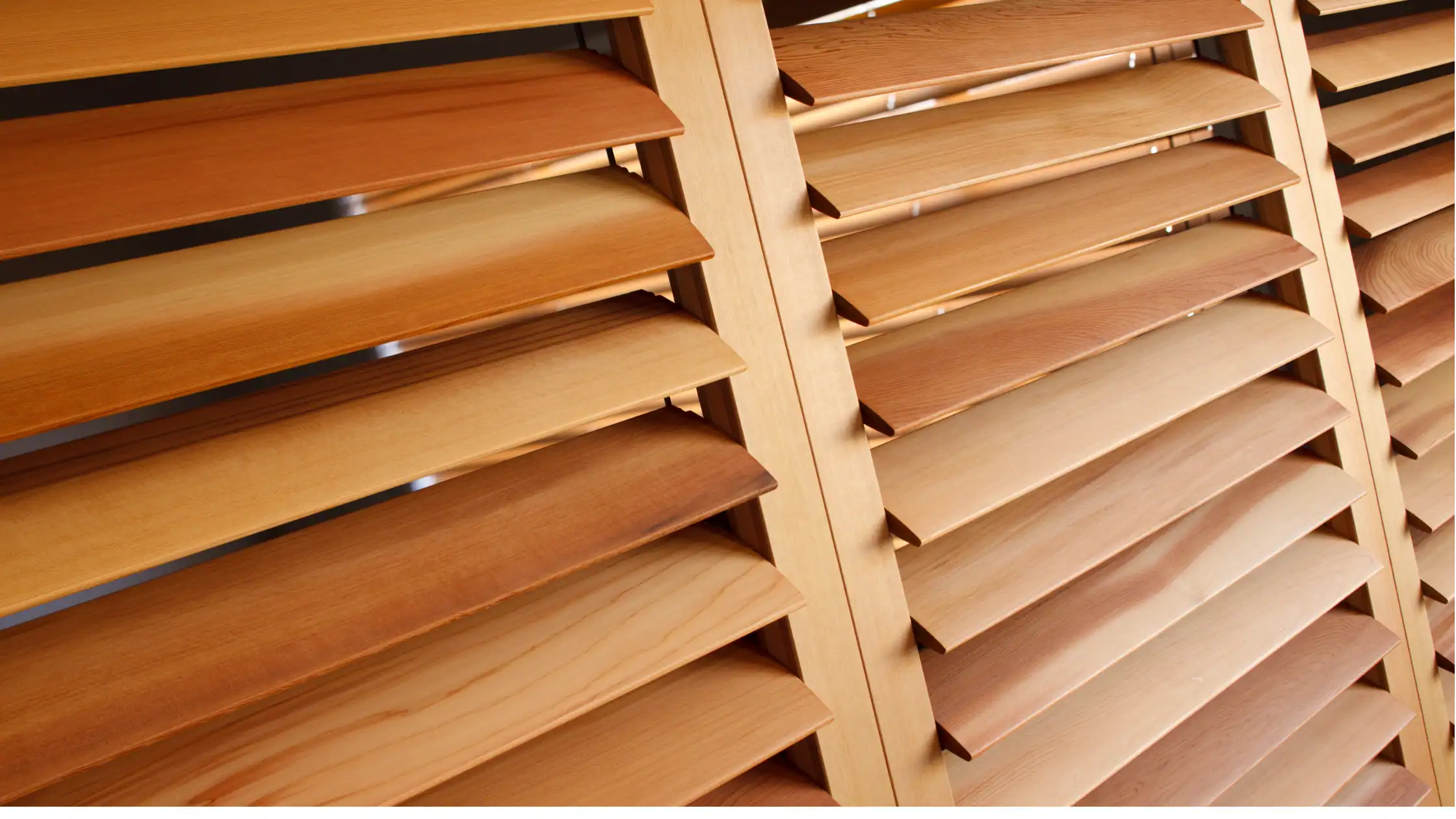
The first time I saw plantation shutters transform a living room, the change felt almost architectural. The room had previously relied on fabric coverings that softened the sunlight but made the windows appear smaller. Once the Shutters were installed, the space looked brighter, cleaner and more carefully designed. The wide louvres framed the outdoor view while giving the homeowner precise control over privacy.
Choosing shutters today involves much more than selecting a colour and arranging installation. Modern homeowners can choose from timber, PVC, composite and aluminium products, along with several panel configurations and operating styles. Each option responds differently to moisture, heat, daily use and architectural conditions. Understanding these differences helps homeowners select a solution that suits the room rather than relying solely on appearance.
What Are the Different Types of Plantation Shutters?
Plantation shutters can be grouped by material, panel design, mounting method, and intended location. Some are designed for dry interior rooms, while others can handle bathrooms, kitchens, patios or exposed outdoor areas. The most suitable choice depends on how the window is used and what conditions the shutters will face.
The main material categories include:
- Natural timber for warmth, character and lightweight performance
- Engineered wood or composite for consistency and added durability
- PVC for moisture resistance and simple maintenance
- Aluminium for outdoor areas, security and weather exposure
- Hybrid products that combine lightweight cores with durable outer coatings
A well-chosen window shutter should complement the proportions of the window and the household’s daily habits. A beautiful material may still perform poorly when installed in the wrong setting. For example, natural timber can suit a formal lounge but may be less appropriate beside a shower or above a frequently used kitchen sink.
Natural Timber Shutters
Natural timber remains a popular choice for homeowners who value craftsmanship and organic texture. The grain gives each panel a distinct appearance, creating warmth that painted synthetic products may not fully reproduce. Timber is also relatively lightweight, making it suitable for wide windows where heavy panels could place pressure on hinges.
Common timber options include basswood, poplar, and other stable hardwoods. Their advantages often include:
- Smooth finishes and refined detailing
- A broad choice of painted or stained colours
- Lightweight panels for easier operation
- Strong insulation against heat and outdoor noise
- Suitability for traditional and contemporary interiors
Timber Plantation Shutters work best in living rooms, bedrooms, dining spaces and home offices where humidity remains controlled. They require gentle cleaning and protection from persistent moisture. Homeowners comparing shutters from Sydney suppliers should ask about timber grading, joinery, paint quality, and resistance to warping, rather than judging the product only by its showroom finish.
PVC and Polymer Shutters
PVC shutters are designed for homes that need practical, low-maintenance window treatments. They resist moisture better than untreated timber and can be cleaned with a damp cloth. This makes them useful in bathrooms, kitchens, laundries and homes near coastal areas.
Quality varies between manufacturers. Some PVC products contain reinforced cores that reduce sagging, while cheaper hollow panels may become unstable across wider openings. When comparing shutters Australia products, buyers should check whether the panels contain aluminium reinforcement, UV-resistant coatings and strong hinge systems.
PVC shutters may suit households looking for:
- Easy cleaning after cooking or bathing
- Resistance to mould and moisture
- Consistent colour across multiple rooms
- Lower maintenance requirements
- A cost-conscious alternative to painted timber
Although they are practical, PVC panels can be heavier than timber. Large openings may need additional support, narrower panels or a carefully planned track system to maintain smooth operation.
Composite and Engineered Wood Shutters
Composite shutters combine wood fibres, engineered materials and protective coatings. Their appearance can closely resemble painted timber, but their manufactured construction creates greater consistency from one panel to the next. They are often selected by homeowners who want a timber-style finish without the same level of maintenance.
These shutters can perform well in bedrooms, living spaces and moderately humid rooms. A reputable supplier of plantation shutters Sydney products may recommend composite materials for properties where temperature changes make natural wood movement a concern.
The main strengths of composite shutters include stable dimensions, smooth finishes and resistance to minor dents. However, product composition differs widely. Buyers should ask what lies beneath the outer coating, how the joints are constructed, and whether the warranty covers peeling, swelling, or panel movement.
Aluminium Plantation Shutters
Aluminium shutters are built for strength, outdoor performance and demanding conditions. Their powder-coated surfaces resist corrosion, fading and everyday wear when manufactured to a suitable standard. They can be fitted to balconies, patios, verandas, outdoor kitchens and external entertainment areas.
High-quality external aluminium plantation shutters can help manage sunlight, airflow and privacy without fully enclosing an outdoor zone. Depending on their design, they may also provide a physical barrier against wind-blown debris and casual intrusion.
Features commonly available include:
- Fixed, hinged, sliding or bi-fold panels
- Lockable frames for added security
- Powder-coated finishes in architectural colours
- Adjustable louvres for ventilation
- Custom configurations for wide openings
Aluminium should not automatically be treated as a security product. The frame, lock, fasteners and installation method all influence its protective value. Homeowners comparing aluminium products with Australian roller shutters should decide which priority is most important: adjustable ventilation, complete closure, security, or storm protection.
Full-Height Shutters
Full-height shutters cover the entire window with one continuous panel or a connected set of panels. Their clean lines suit modern homes because they create a strong visual frame without additional fabric or decorative hardware. They can make narrow windows appear taller and bring order to rooms with several differently sized openings.
Many full-height Shutters include a divider rail that allows the upper and lower louvres to move separately. This provides privacy at eye level while allowing daylight to enter above. It can be useful for front-facing rooms, street-level apartments and bedrooms near neighbouring properties.
Full-height panels are also easier to coordinate across an open-plan interior. When the same frame and louvre size are repeated throughout adjoining rooms, the windows appear connected rather than treated as separate design problems.
Café-Style Shutters
Café-style shutters cover the lower section of a window while leaving the upper portion open. They take inspiration from street-facing cafés where customers need privacy without losing natural light. In residential spaces, they work well in kitchens, dining rooms and front rooms facing footpaths.
A café-style window shutter may be paired with an uncovered upper window or a fabric treatment. Some homeowners combine the lower panels with curtains that Sydney suppliers can customise for evening privacy. This layered approach gives the room a softer appearance while still allowing daylight in.
Café-style shutters are less suitable for bedrooms that require complete darkness or full-window privacy. They also work best when the window proportions naturally support a horizontal division. On very short windows, the lower panels may make the opening appear compressed.
Tier-on-Tier Shutters
Tier-on-tier shutters divide the window into separate upper and lower panel sets. Each tier can open independently, giving homeowners more flexibility than a single full-height panel. The lower tier can remain closed for privacy while the upper tier opens to bring in daylight or improve ventilation.
This design is useful for bay windows, period homes and rooms facing busy streets. It can also provide a more tailored look than standard shutter blinds because the panel arrangement follows the shape and function of the opening.
Tier-on-tier shutters have more hinges and moving parts, so accurate installation is essential. Poorly aligned panels may sag, rub against each other or create uneven gaps. Wider louvres and heavy materials also need suitable frames to prevent strain during regular use.
Sliding, Bi-Fold and Tracked Shutters
Large doors and wide windows often need tracked shutters rather than conventional hinged panels. Sliding systems move along a track and stack behind one another, while bi-fold systems fold into compact groups. Both arrangements can suit open-plan homes with broad glass surfaces.
Tracked systems are commonly used for:
- Sliding glass doors
- Wide living-room windows
- Room dividers
- Wardrobe openings
- Enclosed patios and sunrooms
A track distributes weight more effectively than individual hinges, helping large panels move smoothly. Homeowners choosing blinds in Sydney for wide doors may prefer the softer appearance of fabric, but shutters offer firmer light control and a more structured finish.
Panel placement deserves careful planning. The stacked shutters should not block door handles, walkways or frequently used sections of glass. Floor tracks may also need recessed installation to reduce trip hazards and create a cleaner finish.
Interior and Exterior Shutter Differences
Interior shutters are protected from rain, intense sunlight and strong wind. They can use lighter materials and more decorative finishes because the building shields them from harsh conditions. Exterior systems require stronger frames, corrosion-resistant hardware and secure fixing points.
Homes with windows with exterior shutters can gain shade before solar heat reaches the glass. This can help reduce heat entering the room during warm weather. Exterior shutters may also protect glazing and create privacy around street-facing or exposed areas.
The phrase “exterior shutters on windows” covers several products, including decorative fixed panels, operable louvred shutters, and storm-rated systems. Buyers should confirm the product’s intended purpose. Decorative models may improve kerb appeal but offer little protection against weather or forced entry.
Louvre Sizes and Light Control
Louvre size changes both the appearance and performance of plantation shutters. Narrow louvres create a traditional look with a greater emphasis on horizontal lines. Wider louvres provide a broader view and a cleaner contemporary appearance, particularly across large windows.
Typical options range from approximately 63 millimetres to 114 millimetres, depending on the manufacturer. Wider blades allow more daylight and visibility when open, while smaller blades can offer finer privacy control.
When choosing a louvre size, review:
- Window height and width
- Distance from neighbouring homes
- Desired level of outdoor visibility
- Interior design style
- Space required for the blades to rotate
- Depth of handles and window hardware
The controls also affect appearance. Traditional tilt rods are visible on the front of the panel, while hidden or offset mechanisms produce a cleaner look. Both can work well when built with reliable internal components.
Choosing Shutters for Different Rooms
Each room creates a different set of demands. Bathrooms need moisture resistance, bedrooms often need strong privacy, and kitchens require surfaces that tolerate regular cleaning. Living rooms may prioritise appearance, natural light and outdoor views.
A room-by-room approach can help narrow the options:
- Bathrooms: reinforced PVC or moisture-resistant composite
- Bedrooms: full-height panels with separate louvre controls
- Kitchens: washable materials with durable coatings
- Living rooms: timber, composite or wide-louvre designs
- Patios: aluminium panels with weather-resistant hardware
- Sliding doors: tracked sliding or bi-fold systems
Homes with exterior shutters on exposed areas should also account for drainage, prevailing winds, and access for cleaning. Product selection alone cannot correct poor installation or unsuitable structural fixing.
How to Identify Well-Made Shutters
The best-quality plantation shutters feel stable, operate smoothly, and retain their alignment over time. Panels should sit square within the frame, louvres should move together without rattling, and finishes should remain consistent around corners and joints.
Before purchasing, inspect the following details:
- Mortise-and-tenon or reinforced panel joints
- Strong hinges matched to panel weight
- Even paint or powder coating
- Smooth louvre movement
- Reinforced stiles on wide panels
- Clear warranty coverage
- Installation by trained fitters
Price can indicate material and manufacturing differences, but it does not confirm quality in its own right. A detailed quotation should specify the material, frame type, louvre size, panel configuration, colour, hardware, and the installation scope. This makes comparisons more accurate than relying on a single square-metre price.
Matching Shutters to Modern Architecture
Modern architecture often uses large windows, neutral colours and open spaces. Shutters can support this style when their proportions align with the room. Wide louvres, concealed controls and simple frames usually create a less cluttered appearance.
Colour choice also affects the visual result. White and soft neutral finishes can blend into walls, while dark tones may frame the view like a bold outline. Homeowners using Blinds Sydney services in other rooms can maintain consistency by matching undertones rather than forcing every window treatment to use the same material.
For homes with unusual angles, arches or raked windows, custom-made panels can follow the building shape. The result often feels more integrated than covering an architectural window with a rectangular treatment that hides its character.
Final Thoughts
The right plantation shutters should respond to the room, the climate, the window shape, and the daily routine. Timber brings natural warmth, PVC handles moisture, composite offers consistency, and aluminium supports exposed areas. Full-height, café-style, tier-on-tier and tracked configurations add another layer of choice.
Before ordering, compare samples in the actual room, open and close display panels, and request a detailed written specification. A thoughtful selection can turn a basic window covering into part of the home’s architecture, improving privacy, light control and visual balance for years.
Frequently Asked Questions
What are the most common types of plantation shutters?
The most common options are timber, PVC, composite and aluminium shutters. Each material suits different conditions. Timber works well in dry living areas; PVC is useful in humid rooms; composite offers a stable painted finish; and aluminium suits outdoor or high-use locations.
Shutters are also categorised by configuration. Full-height, café-style, tier-on-tier, sliding and bi-fold designs provide different levels of privacy, access and light control.
Which plantation shutter material is best for bathrooms?
Reinforced PVC is often a practical bathroom choice because it resists moisture and wipes clean. Moisture-resistant composite shutters may also work when the manufacturer approves them for humid conditions.
Natural timber is generally better suited to dry rooms unless it has been specifically treated for moisture exposure. Ventilation remains important because persistent condensation can affect frames, hardware and surrounding surfaces, regardless of the shutter material.
Are timber shutters better than PVC shutters?
Timber shutters are lighter and offer a natural grain that suits premium living spaces. They can also be stained or painted in a variety of finishes. PVC shutters are easier to maintain around moisture and may be more budget-friendly.
Neither material is automatically better for every home. The stronger choice depends on the room, panel width, local climate, maintenance expectations and desired appearance. Product construction matters as much as the material label.
Which shutter style works best for sliding doors?
Tracked sliding and bi-fold shutters are usually the most practical choices for sliding doors. Sliding panels move along the opening, while bi-fold panels fold and stack to one side. The right layout depends on the door direction and available stacking space.
Before ordering, check handle clearance, floor levels and the amount of glass that will remain covered when the panels are stacked. These details can affect everyday access and outdoor views.
How do I choose between full-height and café-style shutters?
Full-height shutters suit rooms that need complete privacy, stronger light control and a consistent appearance across the entire window. They are commonly used in bedrooms, living rooms and street-facing spaces.
Café-style shutters cover only the lower portion of the window, making them useful where privacy is needed without blocking daylight above. They work particularly well in kitchens and dining rooms, but may need another treatment when full nighttime privacy is required.

