
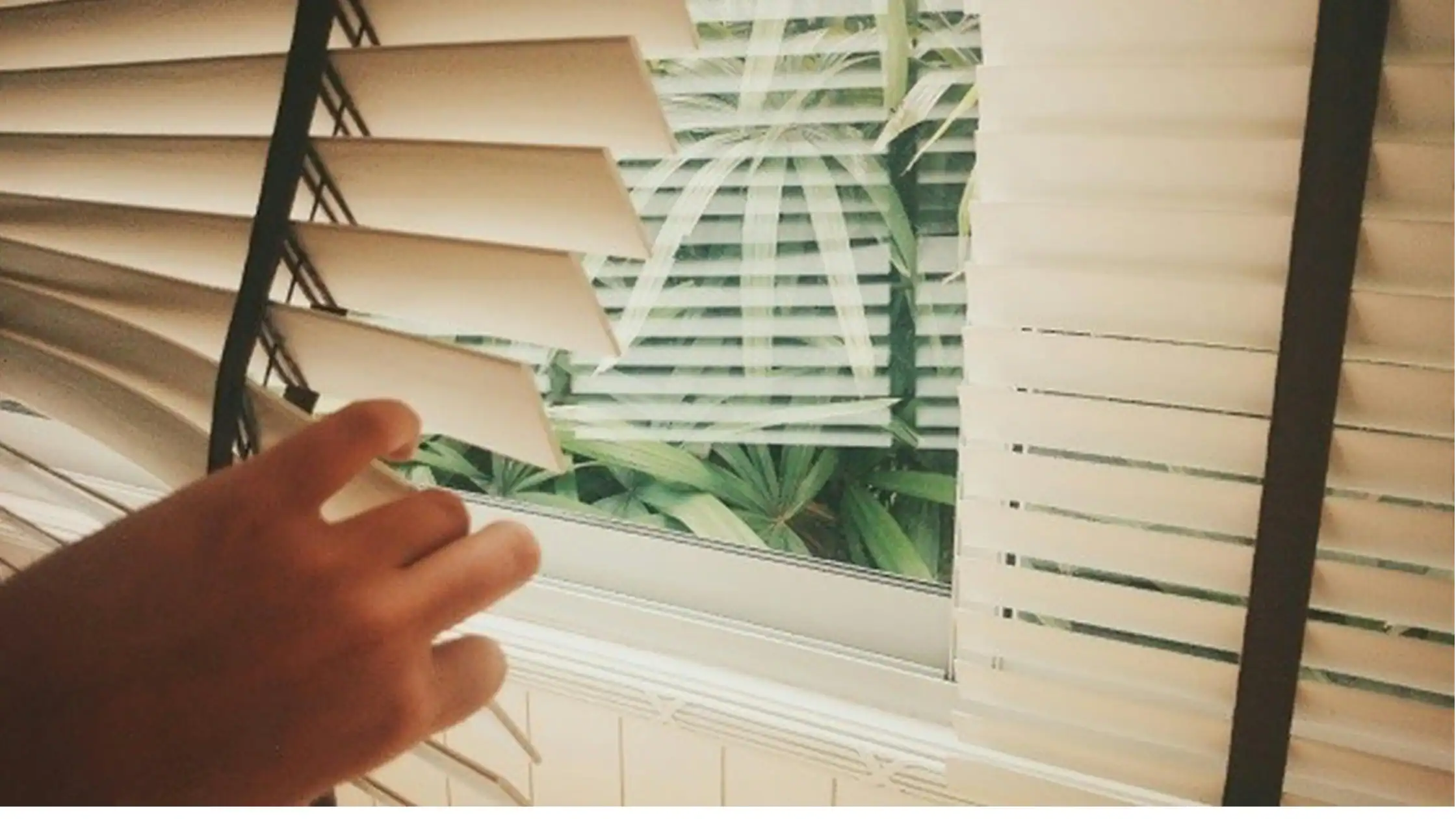
A homeowner once shared that choosing new window coverings seemed easy until three samples arrived at her home. One looked elegant in the catalogue but appeared grey beside her cream walls. Another felt sturdy but blocked too much of the garden view. The third looked almost perfect, yet its panels could not open fully because a sofa sat too close to the window.
Her experience reflects a common problem. Plantation-style window coverings are often chosen for their clean lines, adjustable louvres and timeless appeal, but their performance depends on far more than colour. Material, panel layout, blade width, room conditions and installation quality all shape how well they work in daily life.
A good choice should make shutters inside house feel like an integral part of the home rather than an afterthought. They should manage natural light without making rooms gloomy, provide privacy without completely blocking the view, and operate smoothly around furniture, handles, and doors. Taking the time to compare these practical details can help prevent inconvenient and costly changes later.
How to Select the Best Plantation Shutters
The best Plantation Shutters suit the room, the window, and the household routine. A design may look attractive in a showroom. Still, its real value lies in how it handles morning glare, afternoon heat, curious children, pets, and frequent opening without becoming difficult to use.
Begin by thinking about the purpose of each window. A bedroom may need privacy and stronger light control, while a kitchen requires a surface that can be wiped clean. A street-facing living room may need adjustable louvres that admit daylight while limiting views from outside.
Use this checklist before requesting quotes:
- Note the direction each window faces
- Record when direct sunlight enters the room
- Identify moisture, steam or cooking residue
- Measure nearby furniture and walking space
- Check handles, locks and window-opening directions
- Decide how much outdoor view you want to retain
- List any privacy concerns during the day and evening
This room-by-room approach often yields better results than using a single product specification across the entire property. Consistent colours can still create a unified look, while materials and configurations are adjusted to match different conditions.
Choose a Material That Suits the Environment
Material affects weight, durability, maintenance and appearance. Timber offers natural warmth and works particularly well in bedrooms, studies and formal living areas. Each grain pattern adds character, helping the panels resemble fitted joinery rather than a standard window covering.
Composite, polymer and aluminium products can be better choices in rooms exposed to moisture or strong sunlight. A bathroom covering needs to withstand humidity without swelling, while an outdoor panel needs a finish that can withstand rain, heat and airborne dirt.
Common material choices include:
- Timber: Lightweight, warm and suited to traditional interiors
- Engineered wood: Stable and often more resistant to temperature changes
- Polymer: Easy to clean and useful in humid rooms
- Aluminium: Strong and suitable for exposed or high-use settings
When comparing Plantation Shutters, ask what material is used inside the panels as well as on the visible surface. Two samples may look almost identical when new, yet their internal construction can lead to very different results after years of regular use.
Match the Louvre Size to the Window
Louvre width changes the amount of light, view and visual detail around a window. Wider blades create fewer horizontal lines and can make large openings feel calmer. They also provide a broader view when tilted open, which suits rooms overlooking gardens, pools or outdoor entertaining areas.
Narrower blades can complement cottages, heritage homes and smaller windows. They create a more traditional pattern, although the increased number of louvres may make a compact opening appear busier.
Think about the following points when choosing blade width:
- Large windows often suit wider louvres
- Narrow frames may need smaller blades
- Wider blades usually provide a clearer outlook
- Smaller blades can offer finer privacy adjustment
- Deep louvres require enough space to rotate
- Furniture placement may affect how panels open
A supplier specialising in shutters Sydney installations should check the available frame depth before recommending a size. Blades that are too deep may strike handles, glass or flyscreens, causing restricted movement.
Compare Panel Configurations
Full-height panels cover the complete window and create a clean, balanced appearance. They are often selected for bedrooms, living rooms and street-facing spaces where privacy is needed across the entire opening. A divider rail can separate the upper and lower louvres, allowing each section to tilt independently.
Café-style designs cover only the bottom part of the glass. They can work well in dining rooms, kitchens and front rooms because they protect privacy at eye level while leaving the upper window open to daylight. Tier-on-tier designs provide separate upper and lower panels, giving greater control over how much of the window is exposed.
Popular configurations include:
- Full-height panels: Simple and suitable for many standard windows
- Café-style panels: Useful where lower-level privacy is the priority
- Tier-on-tier panels: Flexible, with independently opening sections
- Tracked panels: Practical for wide doors and broad openings
- Solid panels: Suitable for traditional rooms and stronger coverage
When viewing Shutters, open every panel and check where it rests. A layout may appear neat when closed but become awkward if panels collide with a wall, light fitting or nearby furniture.
Measure the Window and Surrounding Space
Accurate measuring is the foundation of a smooth installation. A made-to-fit window shutter must account for small variations in the width, height and angle of the opening. This is especially relevant in older properties, where frames may appear square but differ by several millimetres from one end to the other.
The surrounding area matters too. A panel needs enough room to swing or fold without striking curtain rods, furniture or window handles. Sliding and bi-fold designs require clear stacking areas, while an outside-mounted frame may extend farther into the room.
Before approving the layout, check:
- Whether the frame will sit inside or outside the recess
- How far panels project when opened
- Whether handles remain accessible
- Where folded panels will stack
- Whether flyscreens affect blade movement
- How gaps around uneven walls will be finished
A specialist in shutters australia products should provide a drawing or clear explanation of the proposed layout. This helps homeowners understand how the system will function before manufacturing begins.
Plan for Privacy and Natural Light
Plantation-style coverings allow light to be adjusted without opening the entire panel. Tilting the blades upward can bring daylight into the room while reducing direct views from the street. Angling them downward can help manage higher sun positions, depending on the window direction and surrounding buildings.
Rooms facing east may receive bright morning glare, while west-facing spaces often become hotter late in the day. North-facing openings can receive more sunlight, making adjustable sections useful for maintaining a comfortable indoor environment.
Practical light-control ideas include:
- Use split tilt sections for separate upper and lower control
- Select wider louvres where the view is a priority
- Add fabric layers for stronger bedroom darkening
- Choose pale finishes to reflect more daylight
- Test samples at different times of day
- Check privacy from both inside and outside
Homeowners comparing Curtains Sydney services may combine curtains with rigid panels. Fabric adds softness, acoustic comfort and greater room darkening, while the louvres handle daytime sunlight and privacy.
Coordinate the Colour With the Room
White is widely chosen because it feels clean and works with many interior schemes. Yet white comes in numerous undertones. A cool white may appear blue beside warm walls, while a creamy finish may look yellow against bright white trim.
Rather than matching wall paint exactly, coordinate the covering with permanent architectural features such as skirting boards, doors, window frames and cabinetry. This makes the product feel integrated, similar to built-in furniture.
Before choosing a finish:
- Place a physical sample beside the window trim
- Check it in morning and afternoon light
- Compare it with flooring and nearby furniture
- View it with the louvres open and closed
- Ask about resistance to fading and yellowing
- Confirm whether matching touch-up paint is available
Suppliers offering Plantation Shutters Sydney installations may provide several similar neutral finishes. Taking samples home is far more reliable than choosing from a screen, where lighting and display settings can change the apparent colour.
Review the Operating Mechanism
Traditional tilt rods sit at the front of the louvres and create a classic appearance. Concealed systems place the operating mechanism behind or within the panel, producing a cleaner surface. Both styles can perform well when made with durable components.
Test the mechanism several times before selecting a product. The blades should move together without rattling, slipping or requiring excessive force. Once positioned, they should remain at the chosen angle rather than gradually falling closed.
When comparing shutter blinds, inspect:
- The firmness of the blade movement
- The quality of hinges and screws
- The alignment of each louvre
- The ease of opening large panels
- The location of magnets or catches
- The availability of replacement parts
For broad openings, tracked systems may be easier to operate because the panel weight is supported from above or below. This can reduce strain on hinges and make daily movement more controlled.
Account for Exterior Applications
Indoor products are mainly designed for privacy, light control and decoration. External coverings face harsher conditions, including wind, rain, dust, heat and changing temperatures. Their frames, coatings and fixings must be suited to exposure.
Homes with windows with exterior shutters may gain better control over direct solar heat, as sunlight can be intercepted before it reaches the glass. This approach can be useful on exposed façades where indoor coverings alone do not provide enough shade.
Outdoor applications may include:
- Balconies
- Covered patios
- Alfresco kitchens
- Poolside areas
- Street-facing openings
- Upper-storey windows
The phrase “exterior shutters on windows” can refer to both decorative panels and operating systems. Ask whether the selected product has been designed for regular movement and outdoor conditions, rather than assuming every exterior-looking product offers the same performance.
People searching for exterior shutters for Windows should also check local building requirements, wind exposure, and suitable fixing methods. Large outdoor panels may need stronger tracks, frames or supports than an indoor product of the same size.
Select Products Made for Local Conditions
Australian homes can experience intense sunlight, high humidity, coastal air and sudden weather changes. Low-grade coatings may fade, while unsuitable timber can swell or crack. Metal fittings may corrode quickly if not designed for coastal environments.
High-quality external aluminium plantation shutters are often powder-coated to provide a durable, low-maintenance surface. The coating, hinges, tracks and fixings should all be rated for the proposed location, especially near saltwater or open terrain.
Homeowners may also compare these products with Australian roller shutters. Roller systems can provide greater security and room darkening, while louvred panels offer adjustable airflow, visibility and architectural appeal. The right option depends on the installation’s main purpose.
Compare Quotes Beyond the Final Price
The cheapest quote is not always the least expensive choice over time. Pricing can vary based on material quality, frame type, louvre size, panel count, hardware, installation difficulty, and warranty coverage. A low figure may exclude delivery, installation or removal of existing coverings.
Request itemised quotations so each proposal can be compared fairly. Ask suppliers to state exactly what is included and whether future service calls carry additional fees.
A useful quote should list:
- Panel and frame materials
- Louvre width
- Colour and finish
- Panel configuration
- Installation charges
- Delivery costs
- Removal of old coverings
- Product warranty
- Labour warranty
- Estimated production period
Businesses offering Blinds Sydney products may use different pricing methods, including per-window, per-square-metre or package rates. Written specifications help reveal whether two quotes describe genuinely comparable products.
Check Construction Quality and Warranty Terms
A warranty is only useful when its coverage is clear. Some policies cover the panel material for many years but offer shorter protection for paint, hardware, installation or labour. Ask who manages repairs and whether replacement parts will remain available.
Inspect display products closely. Corners should be neatly joined, louvres should sit evenly, and panels should remain square when opened. Hardware should feel solid rather than loose or brittle.
Signs of reliable construction include:
- Reinforced panel structures
- Smooth and consistent coatings
- Firm, replaceable hinges
- Even gaps around the frame
- Stable louvres that hold their position
- Clear cleaning and maintenance guidance
- Written installation coverage
Examine another window shutter that has been displayed or used for some time, not only a new sample. Older displays can reveal how the finish, hinges and tilt system respond to repeated handling.
Make a Choice That Supports Daily Living
The right Plantation Shutters should make a home more comfortable, practical and visually balanced. A successful selection is shaped by room conditions, accurate measurements, material quality and thoughtful panel design rather than appearance alone.
Before placing an order, review physical samples at home, test the operating system and study the proposed panel layout. Ask how each covering will open, where it will stack and how it should be cleaned. A careful choice can frame the view like a well-designed border while giving the household greater control over light, privacy and comfort.
Frequently Asked Questions
What material is best for Plantation Shutters?
The best material depends on where the blinds will be installed. Timber works well in dry bedrooms and living rooms because it is lightweight and visually warm. Polymer and composite products are often more suitable for bathrooms, kitchens and laundries due to their resistance to moisture. Aluminium is generally preferred for exposed outdoor areas. Compare the panel core, frame, coating and hardware rather than judging the product by its surface alone.
Do Plantation Shutters block out all sunlight?
Plantation Shutters reduce direct sunlight and glare, but they rarely create total darkness. Small amounts of light can pass between louvres, around panels and near the frame. Bedrooms, nurseries and media rooms may benefit from an added curtain or room-darkening blind. Precise measuring and installation can reduce unwanted gaps, while divided tilt sections allow different parts of the window to be adjusted throughout the day.
What louvre size should I choose?
Wider louvres often suit large windows and modern homes because they create fewer horizontal lines and provide a clearer view when open. Smaller louvres may complement narrow windows and traditional interiors. Frame depth also affects the choice because each blade needs enough room to rotate without touching handles or glass. Viewing full-size samples at the window can help you judge which option feels balanced within the room.
Are Plantation Shutters suitable for sliding doors?
Plantation Shutters can work well on sliding doors when they use a tracked configuration. Panels may slide past one another or fold to one side, depending on the available space and door design. The track must support the weight of the panels and allow easy access to the doorway. Before ordering, check where the panels will stack and whether they could obstruct furniture, switches or walking paths.
How should I compare Plantation Shutters quotes?
Compare the full specification rather than focusing only on the total price. Each quote should identify the material, louvre size, frame, panel layout, operating mechanism, finish and installation service. Check whether delivery, removal of old coverings and warranty labour are included. Ask for written warranty details and confirm who handles future repairs. A clear itemised quote makes it easier to identify real value and avoid unexpected charges.

