
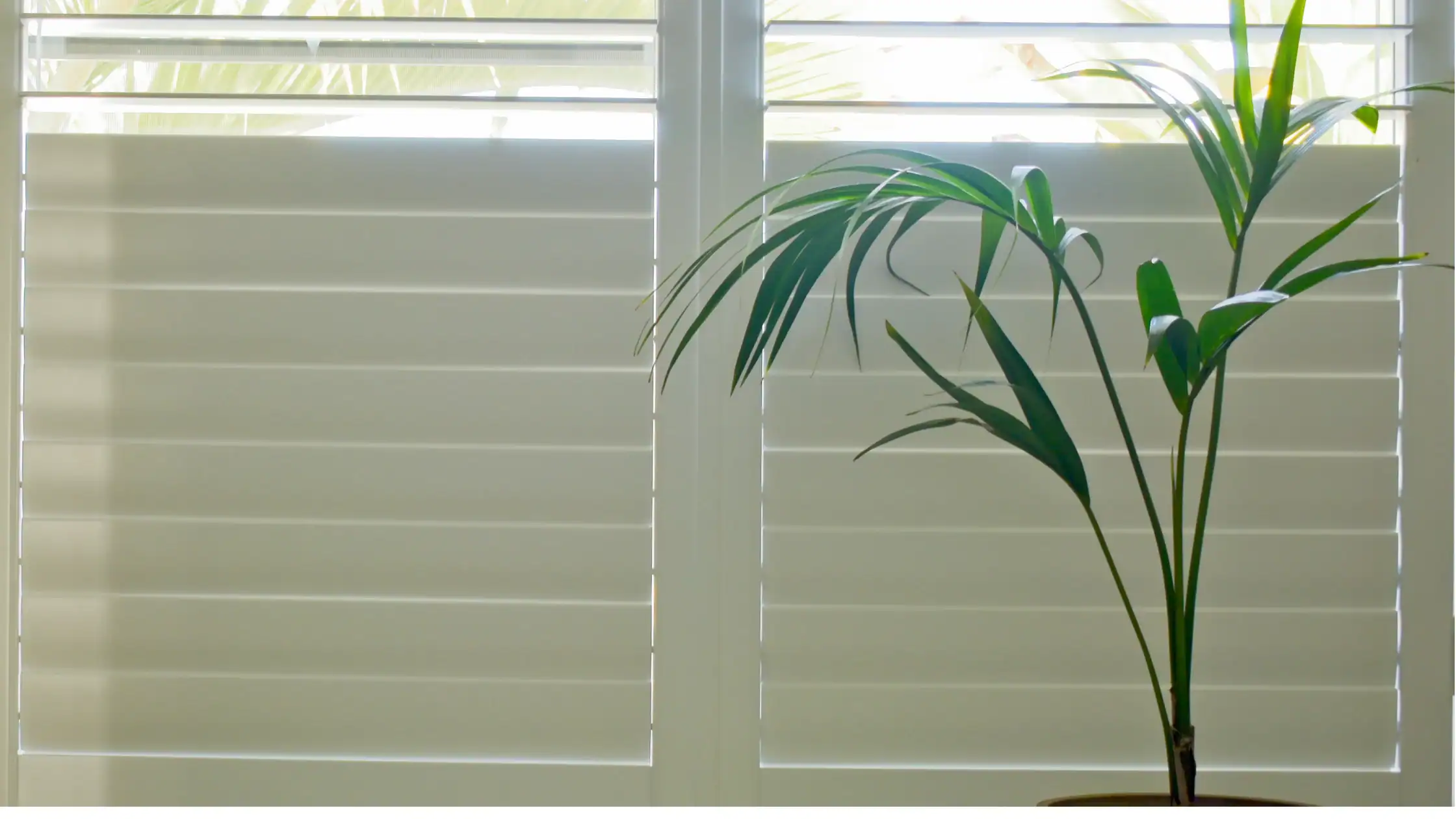
A Sydney homeowner once described receiving three very different quotes for the same set of windows. One company calculated the price by square metre, another charged per opening, and a third offered a single whole-home figure. Although every supplier had measured the same property, the totals appeared to belong to entirely different renovation projects.
That situation is common because shutter pricing involves more than width multiplied by height. Window shape, material, frame design, panel count, access and installation conditions all influence the final amount. A compact bathroom opening may need a single panel, while a wide living room window may require reinforced frames, several panels, and carefully positioned hinges.
Current Sydney market estimates place installed plantation shutters at approximately $300 to $800 per square metre. Individual windows may cost anywhere from $250 to $1,200, with large doors, bay windows and specialist designs often exceeding that range. These figures are planning guides rather than fixed prices.
Understanding how suppliers calculate their quotes can help homeowners avoid budget surprises and make better comparisons. The goal is not simply to find the lowest number. It is to identify a product that fits correctly, operates smoothly and continues to suit the home after years of daily use.
Understanding Plantation Shutter Costs in Sydney
The plantation shutters Sydney usually begin with the measured area of each opening. The supplier then adjusts the base figure based on the selected material, frame profile, number of panels, louvre size, and installation method. Site access and the condition of the window reveal may also affect labour charges.
Small openings do not always produce proportionally small prices. Many manufacturers apply a minimum charge because measuring, production, packaging, transport and installation are still required. A half-square-metre bathroom opening may cost more per square metre than a large bedroom opening for this reason.
A detailed quotation should identify:
- Measurements for every opening
- Material and product range
- Panel and frame configuration
- Louvre blade size
- Colour or stain selection
- Hardware and control mechanism
- Delivery and installation fees
- GST and warranty coverage
Written specifications make comparison easier. A headline total without product details may mask differences that only become apparent after the order is approved.
How Much Do Small Windows Cost?
Small windows are usually found in bathrooms, laundries, hallways, kitchens and compact bedrooms. Common sizes may range from 600 mm by 600 mm to approximately 900 mm by 1200 mm. A basic rectangular installation often costs between $250 and $500.
The lower end may apply to standard colours, uncomplicated recesses and cost-effective materials. Prices can rise when tiles, handles, pipes or narrow reveals restrict the fixing area. Moisture-resistant construction may also be needed in bathrooms and laundries.
A small window shutter may cost more when the opening includes:
- An arched or angled top
- Uneven tiles or walls
- Limited frame depth
- Nearby taps or plumbing fixtures
- An outside-mount requirement
- Custom colour matching
Precise site measurements are especially useful for small openings. Even a minor clearance issue can stop the panel from opening properly or create visible gaps around the frame.
Pricing for Standard Bedroom Windows
A typical bedroom opening may measure around 1200 mm by 1200 mm, although Sydney homes vary widely in age and architecture. For a straightforward installation, a realistic planning range is approximately $400 to $800 per window.
Material selection can move the quote toward either end of that range. PVC and engineered products are usually more affordable, while natural timber and specialised finishes are more expensive. Dividing the shutter into independently controlled sections may also add hardware and production work.
Well-designed Plantation Shutters can give bedrooms greater control over privacy and early morning light. For street-facing rooms, a mid-rail or split tilt system allows the lower louvres to remain closed while daylight enters through the upper section.
That added flexibility may cost more than a basic full-height configuration, but it can improve how the room functions every day. A cheaper layout that does not suit the homeowner’s privacy needs may offer poor value despite its lower initial price.
Costs for Large Living-Room Windows
Living-room openings are often wider than bedroom windows and may measure 1800 mm by 1500 mm or more. Depending on the material and panel layout, a large rectangular installation may cost between $800 and $1,500. Very wide openings can exceed this estimate.
Panel design plays a major role in the total. Wide panels create a clean appearance, but excessive width can place additional pressure on hinges. Using more panels distributes the weight, although it also adds framing, hardware and installation work.
A supplier experienced with shutters for Sydney homes may recommend:
- Two panels for a balanced opening
- Four panels for a wider span
- A mid-rail for structural support
- Split controls for flexible light management
- Bi-fold panels where wall clearance is limited
- Hinged panels for full access to the glass
Furniture placement should be discussed before production. A panel that opens directly into a sofa, television unit or side table can become frustrating, even when the shutter itself is manufactured correctly.
Bay Windows and Unusual Shapes
Bay windows add character to a room, but their connected angles require careful measuring and custom frame preparation. A complete bay-window installation may range from approximately $1,200 to $3,000 or more, depending on the number of sections, the overall area, and the materials.
Arched, circular, triangular, and trapezoidal openings may incur similar custom charges. Templates or digital measurements may be needed before manufacturing begins. Production also takes longer because these products cannot always be cut using standard rectangular processes.
Ask the supplier to provide:
- A diagram showing each panel
- Opening directions for every section
- Details of visible frame joins
- Confirmation of custom-shape charges
- Examples of similar installations
- A clear production timeframe
Some suppliers advertising shutters Australia-wide use standard online pricing that does not reflect unusual architecture. An in-home consultation provides a more useful figure for bay windows and other distinctive designs.
Sliding Doors and Floor-to-Ceiling Glass
Large sliding doors and floor-to-ceiling openings commonly require tracked shutter systems. A completed installation may cost from $1,500 to $4,000 or more, depending on the total width, material, number of panels and track configuration.
Bypass systems allow panels to slide behind one another, while bi-fold systems fold and stack toward one or both sides. The right choice depends on how often the doorway is used, the available stacking space and the position of furniture.
Common cost components include:
- Top and bottom tracks
- Reinforced panels
- Multiple guides and rollers
- Extra frame sections
- Split louvre controls
- Clearance around door handles
- Support above the opening
Homeowners comparing shutter blinds to vertical blinds may notice a significant difference in initial price. The shutter option offers a more permanent architectural finish, while standard blinds may suit shorter renovation timelines or tighter budgets.
How Material Affects the Final Price
Material is one of the strongest pricing factors. Two products with identical dimensions can have very different totals when one uses entry-level PVC and the other uses premium timber or aluminium.
PVC is commonly chosen for its moisture resistance, consistent finish and accessible price. Engineered wood offers a timber-like appearance with stable construction, while natural timber provides warmth and lower panel weight at a higher cost.
External aluminium plantation shutters generally sit above basic indoor options because they need stronger finishes, weather-resistant hardware and durable construction. They can suit balconies, patios and areas exposed to changing outdoor conditions.
Homeowners searching for the best plantation blinds should compare the material’s suitability rather than relying on promotional labels. The strongest choice is the one that matches the room, exposure, maintenance expectations, and household budget.
Interior and Exterior Shutter Pricing
Interior shutters are primarily designed for privacy, light control, and presentation. Exterior products need to withstand sun, moisture, wind and temperature changes. Their frames, finishes and mounting systems are often heavier, which raises manufacturing and fitting costs.
Homes with windows with exterior shutters may also require access equipment or reinforced fixing points. Upper-storey installations can involve additional labour because installers must work safely around balconies, roofs or elevated façades.
The cost of exterior shutters on windows can rise when the mounting surface needs repair or when electrical work is included. Some exterior systems use motors, wall switches or remote controls rather than manual operation.
People searching for outside shutters on patios may also encounter Australian roller shutters. Roller systems provide a different appearance and operating method, often focusing on full closure, security, weather protection and room darkening rather than adjustable louvres.
Comparing Shutters, Blinds and Curtains
Basic blinds usually cost less than custom shutters. Roller, Roman, Venetian and cellular products are available across many budget levels, making them practical for rental properties, quick renovations and rooms where a lighter fitting is preferred.
People researching blinds in Sydney should compare expected lifespan, cleaning requirements, light gaps, and operating parts. A lower price may be attractive, but frequent replacements can erode those savings over time.
Curtain suppliers in Sydney offer options ranging from ready-made panels to custom-lined drapery. Fabric softens a room and works well across broad openings, although it occupies wall space and may require professional cleaning.
Plantation shutters Sydney products create a more fitted appearance because each unit is made for a specific opening. Their higher initial cost may be justified in rooms where homeowners want durable construction, adjustable light and an integrated finish.
Other Factors That Can Increase Your Quote
The window size determines the starting figure, but installation conditions can alter the final amount. Older Sydney homes may have walls and reveals that are no longer perfectly square. Packers, custom frames or minor repairs may be needed to produce an even result.
Apartments may also involve lift bookings, restricted parking, loading rules or limited installation hours. These conditions can add labour or delivery charges even when the windows themselves are standard.
Other possible price increases include:
- Custom paint or stain colours
- Hidden tilt mechanisms
- Divider rails and extra hinges
- Decorative frame profiles
- Removal of existing coverings
- Difficult stair or balcony access
- Motorised controls
- Rush manufacturing
- Wall or reveal repairs
- After-hours installation requirements
Ask the supplier to separate required features from optional upgrades. This allows the household to reduce the total without removing elements needed for safe operation or structural stability.
A Sample Whole-Home Budget
Imagine a three-bedroom Sydney home with three medium bedroom windows, one small bathroom opening, two large living-room windows and one sliding door. Using broad 2026 planning ranges, the project could fall between approximately $4,550 and $9,900.
The figure may be lower for a straightforward package using standard PVC. It may be higher when the property includes premium timber, custom colours, difficult access or complex frames.
An indicative breakdown could include:
- Bathroom window: $250 to $500
- Three-bedroom windows: $1,200 to $2,400
- Two living-room windows: $1,600 to $3,000
- Sliding-door shutters: $1,500 to $4,000
These numbers are not substitutes for a site quote. They provide a starting budget so homeowners can decide whether to complete the entire property at once or divide the project into stages.
How to Keep the Project Within Budget
Reducing the total does not require choosing the cheapest available product. A better approach is to allocate more of the budget to frequently used rooms and to select practical configurations elsewhere.
Standard colours and simple panel layouts usually cost less than custom finishes or highly divided designs. Ordering several rooms together may also reduce measuring, delivery and installation costs.
Practical budgeting choices include:
- Begin with street-facing living areas and bedrooms.
- Use moisture-resistant PVC in bathrooms and laundries.
- Reserve premium timber for feature rooms.
- Choose standard louvre sizes and colours.
- Avoid unnecessary panel divisions.
- Request package pricing for several openings.
- Keep existing coverings until installation day.
Shutters should be planned around how each room is used. Spending more on privacy control in a bedroom may deliver greater value than adding a decorative upgrade in a rarely used space.
Choosing Long-Term Value
The price of Shutters depends on much more than window area. Materials, configuration, access, customisation and fitting conditions all shape the quote. Small windows may start at a few hundred dollars, while wide-tracked systems and architectural openings can cost several thousand.
The lowest quotation is not always the most economical choice. Poorly measured frames, oversized panels, or unsuitable materials may lead to repair and replacement costs later. Clear specifications and a reliable installation warranty provide greater confidence.
Before approving an order, request a measured quotation for every opening and compare the product details line by line. Think about privacy, sunlight, ventilation, and furniture placement before choosing based on price alone. A carefully planned shutter should feel like part of the architecture, quietly working with the home every day.
Frequently Asked Questions
How is the cost of plantation shutters in Sydney calculated?
Plantation shutters Sydney are usually calculated based on the measured square metre area of each opening. The supplier then adds any charges for material, frames, panel numbers, custom colours, and fitting difficulty.
Small windows may qualify for the minimum manufacturing fee, while wide openings may require reinforced panels or additional hardware. Request the measurements and product specifications in writing so quotations can be compared fairly.
What should I budget for one standard bedroom window?
A standard bedroom window may cost $400 to $800 for a custom-made, installed shutter. Entry-level materials and simple frames usually sit near the lower end, while timber, custom finishes and divided controls raise the price.
Measurements, wall condition and installation access also affect the figure. A site inspection is more dependable than an online estimate because the installer can check clearances, handles and reveal depth.
Why can two same-sized windows have different prices?
Equal dimensions do not always mean equal installation requirements. One opening may accept a basic recessed frame, while another may require an outside mount due to handles, tiles, or limited depth.
Panel direction, divider rails, custom colours and wall repairs can also change the quote. Ask the supplier to explain the configuration for each opening rather than combining all windows into a single unexplained total.
Are large shutters cheaper per square metre?
Large shutters can sometimes have a lower square-metre rate because fixed measuring and installation costs are spread over a greater area. The total price will still be higher because more material and hardware are required.
Very wide openings may also need additional panels, reinforcement or track systems. These features can offset any efficiency gained from the larger area, so the advertised base rate may not reflect the completed cost.
Can I lower plantation shutters in Sydney without sacrificing quality?
Yes. Choose standard colours, straightforward frames and practical panel arrangements. PVC can provide good value in wet areas, while premium materials can be reserved for highly visible rooms.
Ordering several windows together may also attract package pricing. Avoid removing structural features simply to reduce the bill. A well-made basic configuration will perform better than a heavily customised design produced from lower-grade materials.

