
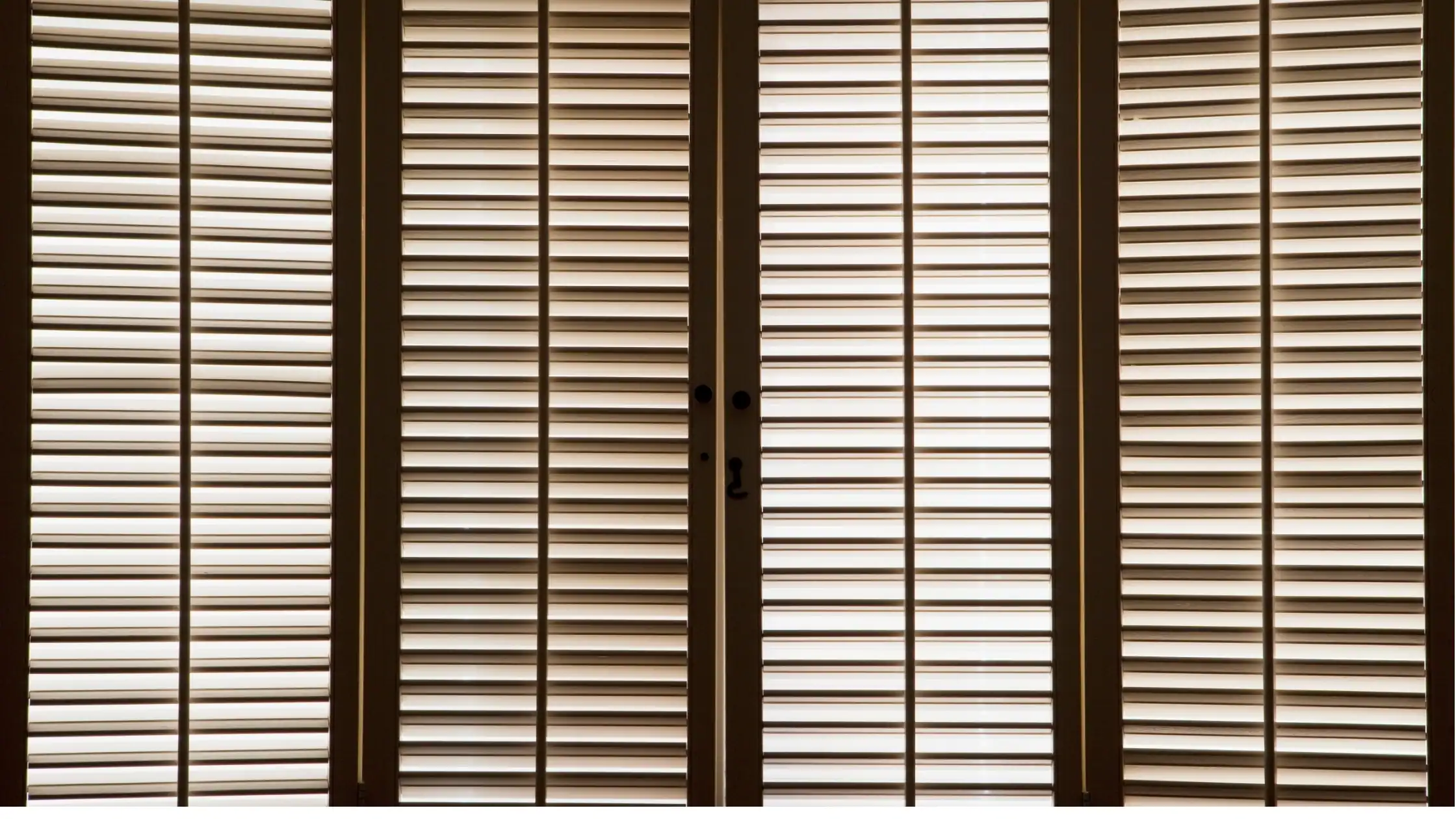
A few years ago, I visited a renovated family home where the owners had replaced ageing fabric coverings with fitted interior louvres. The change was immediate. Morning light entered softly, the rooms felt more structured, and the windows no longer looked unfinished when the coverings were open. What had once been a purely functional feature had become part of the home’s architecture.
Choosing a window treatment affects far more than appearance. It can influence privacy, indoor temperature, cleaning routines, furniture placement, sleep quality, and the amount of daylight entering each room. For homeowners seeking a long-lasting alternative to fabric coverings, interior shutters offer a practical balance of control, durability, and visual appeal.
Are shutters inside the house practical for Everyday Living?
Installing Shutters inside house interiors can be a sensible choice for busy households because the panels remain firmly attached to the window frame, unlike loose fabric that moves in a breeze or becomes tangled near furniture. Fitted louvres stay neat throughout the day. Their solid structure also creates a clean outline around each opening.
Daily operation is straightforward. Louvres can be tilted to direct sunlight, reduce glare, or block views from outside while still allowing air to circulate. Full panels can also be opened when unrestricted light or access to the glass is needed.
Practical benefits include:
- Adjustable privacy without completely darkening the room
- Easy access to natural ventilation
- A fitted appearance that does not require frequent rearranging
- Strong materials suited to active households
- Flexible light control throughout the day
- Reduced risk of cords hanging near children or pets
The level of convenience depends on accurate measurements, suitable materials, and a panel design that matches the window’s opening method.
How Interior Louvres Control Natural Light
Sunlight rarely enters a home in the same way all day. A room may feel dim in the morning, bright at midday, and uncomfortable during late-afternoon glare. A well-designed window shutter allows the angle of incoming light to be changed without fully covering the glass.
Tilting the louvres upward can bounce daylight towards the ceiling, creating softer illumination across the room. Tilting them downward can reduce glare on televisions, computer screens, and polished surfaces. This makes interior louvres particularly useful in home offices, living rooms, nurseries, and bedrooms.
Homeowners comparing shutter providers for Sydney properties should consider how louvre size affects performance. Wider louvres usually provide a clearer outdoor view when open, while narrower options create a more traditional appearance and offer smaller adjustments.
Privacy Without Making Rooms Feel Closed
Privacy is often handled as an all-or-nothing choice. A fabric covering may need to be fully closed to stop passers-by from seeing inside, leaving the room darker than necessary. Interior louvres provide greater control because separate panel sections can be adjusted to eye level and the surrounding buildings.
For example, café-style panels can cover the lower half of a street-facing opening while leaving the upper glass exposed. Another option is a tier-on-tier configuration, where the top and bottom panels operate independently. This design works well in bathrooms, bedrooms, and ground-floor living spaces.
A carefully fitted product can also complement the Curtains Sydney homeowners already use. Soft fabric may frame the opening and improve room acoustics, while the solid panels manage daytime privacy and sunlight.
Comparing Shutters With Blinds and Curtains
Every covering has strengths. Fabric curtains can soften a room, absorb sound, and introduce colour. Roller and Venetian blinds can be compact and economical. Interior shutters, however, become a permanent visual feature rather than an accessory hanging in front of the glass.
When comparing products from Blinds Sydney suppliers, focus on how often the covering will be opened, cleaned, adjusted, or exposed to moisture. A low-cost option may suit a rarely used room, while frequently used spaces may benefit from a stronger, more fitted system.
Plantation Shutters are often selected for living areas because they provide:
- A structured finish that suits modern and traditional interiors
- Precise control over privacy and light
- Fewer loose fabric folds that collect dust
- Long service life when the hardware is maintained
- A neutral appearance that can remain suitable after redecorating
The right choice depends on the room rather than a single whole-house rule. Some properties use solid panels in high-traffic spaces and softer materials in formal bedrooms or theatre rooms.
Choosing Materials for Different Rooms
Material selection affects weight, moisture resistance, stability, maintenance, and price. Timber offers warmth and natural character, but it may not suit areas with frequent steam or splashing. Engineered materials often offer better moisture resistance, while aluminium can perform well when strength and weather exposure are priorities.
Homeowners researching shutters in Australia should ask what is inside the frame, not just what is visible on the surface. Two panels may look almost identical in a showroom yet perform differently after years of sunlight, temperature changes, and regular handling.
A practical room-by-room approach may include:
- Moisture-resistant panels for bathrooms and laundries
- Lightweight materials for wide openings
- Timber or timber-look finishes for formal living areas
- Strong hinges for doors and frequently opened panels
- UV-stable finishes for rooms receiving intense sunlight
Request information about warranties, replacement hardware, paint finishes, and cleaning requirements before approving the final product.
Suitability for Bedrooms and Living Areas
Bedrooms need privacy, manageable morning light, and a calm appearance. Solid frames and adjustable louvres can help reduce direct light, though small gaps around panels may not create complete darkness. A separate blockout layer may be helpful for shift workers, young children, or people sensitive to early sunlight.
In living areas, panels can divide wide openings into practical sections. The lower louvres may remain angled for privacy, while the upper section allows daylight into the room. Suppliers specialising in plantation shutters Sydney installations can recommend configurations based on sill depth, furniture position, and the direction of the sun.
Living-room planning should account for:
- Television placement and screen glare
- Access to window handles
- Space needed for panels to swing open
- Nearby sofas, shelves, and decorative items
- Views that should remain visible
- Airflow during warmer months
A simple layout sketch can reveal potential conflicts before manufacturing begins.
Performance in Kitchens and Bathrooms
Kitchens and bathrooms expose coverings to moisture, heat, grease, and frequent cleaning. A natural timber product placed beside a sink, shower, or cooktop may swell, stain, or require more maintenance than expected. Moisture-resistant synthetic materials are often better suited to these spaces.
People comparing shutter blinds for wet areas should inspect the frame joints, hinges, and surface coating. Water resistance involves the full assembly, not only the louvres. Hardware that corrodes or frames that absorb moisture can weaken an otherwise attractive installation.
Cleaning habits also matter. Smooth panels can usually be wiped with a soft cloth, while textured finishes may hold dust or cooking residue. Strong household chemicals should be avoided unless the manufacturer confirms they are safe for the coating.
Energy Comfort and Temperature Management
Glass is one of the main places where indoor heat enters or escapes. A fitted interior covering creates an extra barrier between the room and the glass, helping reduce direct radiant heat and uncomfortable cold surfaces. Performance varies according to glazing, frame gaps, material, installation quality, and climate.
Interior panels should not be treated as a replacement for insulation, quality glazing, shading, or ventilation. They work best as part of a wider comfort plan that may include ceiling insulation, draught sealing, exterior shading, and sensible use of heating or cooling.
Australian roller shutters are commonly used when stronger exterior protection, room darkening, or weather control is required. Interior louvres serve a different role, placing greater emphasis on adjustable daylight, indoor design, and convenient privacy.
Interior and Exterior Products Serve Different Purposes
It is easy to confuse indoor decorative panels with external systems. Windows with exterior shutters may provide additional protection from sun, wind, and flying debris, depending on the product and installation. Indoor panels are generally designed for light management, privacy, and visual structure.
Similarly, exterior shutters for windows require materials and fasteners rated for outdoor use. Interior products should not be installed outside unless the manufacturer specifically approves that use.
Homeowners planning outside shutters on windows should review:
- Wind ratings and local exposure conditions
- Corrosion resistance near coastal areas
- Drainage and water movement
- Safe access for opening and maintenance
- Compatibility with flyscreens and security screens
- Building or strata approval requirements
These checks are particularly relevant for apartments, coastal homes, and properties in exposed locations.
When Aluminium May Be the Better Choice
Large openings, balconies, patios, and semi-exposed spaces may require more strength than common interior materials provide. External aluminium plantation shutters can resist moisture and movement better than many lightweight alternatives when correctly manufactured and installed.
Aluminium may also suit areas where privacy and airflow are needed without creating a fully enclosed wall. Powder-coated finishes are available in a range of colours, allowing the panels to coordinate with window frames, roofing, or exterior cladding.
Inside the home, aluminium can create a sharper architectural appearance, but its weight, sound, cost, and industrial character may not suit every room. Material choice should follow the conditions of the opening rather than current design fashion.
Cleaning and Long-Term Maintenance
Fabric coverings may require vacuuming, laundering, steaming, or professional cleaning. Solid louvres usually need regular dusting and occasional wiping. This can make them appealing for households managing allergies, pets, or limited cleaning time.
A regular care routine can include:
- Dusting louvres with a soft microfibre cloth
- Supporting panels while cleaning wide sections
- Wiping marks with a lightly damp cloth
- Drying hinges and frames after cleaning
- Checking screws and magnets for movement
- Keeping tracks free from grit and pet hair
Avoid pulling panels by the louvres. Use the stile or designated handle so the hinges and control mechanism are not placed under unnecessary pressure.
Measuring, Installation, and Design Accuracy
A fitted covering relies on precise measurements. Walls and openings that appear square may have small variations that affect panel movement, frame alignment, and light gaps. Professional installers measure at several points and account for handles, tiles, architraves, screens, and opening direction.
A poorly planned installation may create panels that strike furniture, block window access, or fail to fold neatly. Even a high-quality product can disappoint when the configuration does not match the room.
When comparing Australian blinds and shutters companies, ask to see examples of similar openings. Review how the provider handles bay windows, sliding doors, corner windows, narrow recesses, and uneven frames. The installation method should be explained before the order is approved.
Potential Drawbacks to Review Before Buying
Interior panels are not the right answer for every property. Their upfront cost can be higher than basic blinds, and hinged panels require enough room to open. They may also reduce the visible glass area because the frame and sills occupy part of the opening.
Common limitations include:
- Higher initial cost than entry-level fabric coverings
- Small light gaps around hinged sections
- Limited suitability for windows crowded by furniture
- Added frame depth inside shallow recesses
- Less decorative softness than fabric treatments
- Manufacturing delays for custom shapes or colours
These drawbacks do not make the product impractical. They simply show why the room, budget, opening style, and household routine should guide the decision.
Making the Final Choice
Interior shutters are particularly useful for homeowners who value controlled daylight, simple cleaning, privacy, and a permanent architectural finish. They can work across bedrooms, living areas, studies, kitchens, and bathrooms when the material and layout are selected for each space.
Before ordering, inspect samples in natural light, test the louvre mechanism, review the warranty, and ask how damaged components are replaced. A carefully planned installation should feel like part of the room rather than an object added after everything else.
The most practical covering is one that supports the household’s way of life. Take time to observe when glare enters, where privacy is lost, how often the glass is opened, and which furniture must remain nearby. Those everyday details will point to a solution that continues to perform after the initial visual appeal fades.
Frequently Asked Questions
Are shutters suitable for every room in a house?
Shutters in house interiors can suit most rooms, but the material should be suited to the conditions. Moisture-resistant products are better for bathrooms, kitchens, and laundries, while timber may suit dry living areas and bedrooms. Panel clearance, window handles, furniture position, and ventilation needs also affect suitability. A room-by-room plan usually produces better results than installing the same configuration throughout the property.
Do interior shutters make a room completely dark?
Interior panels can reduce sunlight and glare, but most designs do not create total darkness. Small gaps may remain around frames, hinges, and between louvres. Bedrooms requiring strong light control may benefit from a blockout blind or lined curtain installed alongside the panels. Accurate fitting and smaller light gaps can improve performance, though complete darkness usually requires a dedicated room-darkening system.
Are shutters inside house interiors easy to clean?
Yes, solid louvres are generally easy to maintain. Regular dusting with a microfibre cloth prevents buildup, while light marks can often be removed with a damp cloth. Cleaning requirements depend on the surface finish and room conditions. Kitchen panels may need more frequent wiping because of airborne grease, while bathroom products should be dried after heavy moisture exposure to protect frames and hardware.
How long can indoor shutters last?
A well-made system can remain functional for many years when it is correctly installed and handled carefully. Longevity depends on material quality, hinge strength, frame stability, sunlight exposure, moisture, and maintenance. Panels should be opened using the frame rather than pulled by the louvres. Choosing a supplier that offers replacement hinges, magnets, and control components can also extend the usable life of the installation.
Do shutters inside house interiors add value to a property?
They can enhance buyer appeal by appearing fitted, durable, and visually integrated with the room. Unlike loose coverings that owners may remove when moving, custom panels are often viewed as part of the property. Their effect on value depends on artistry, condition, style, and suitability for the home. Neutral colours and accurate installation have a broader appeal than highly customised finishes.

