
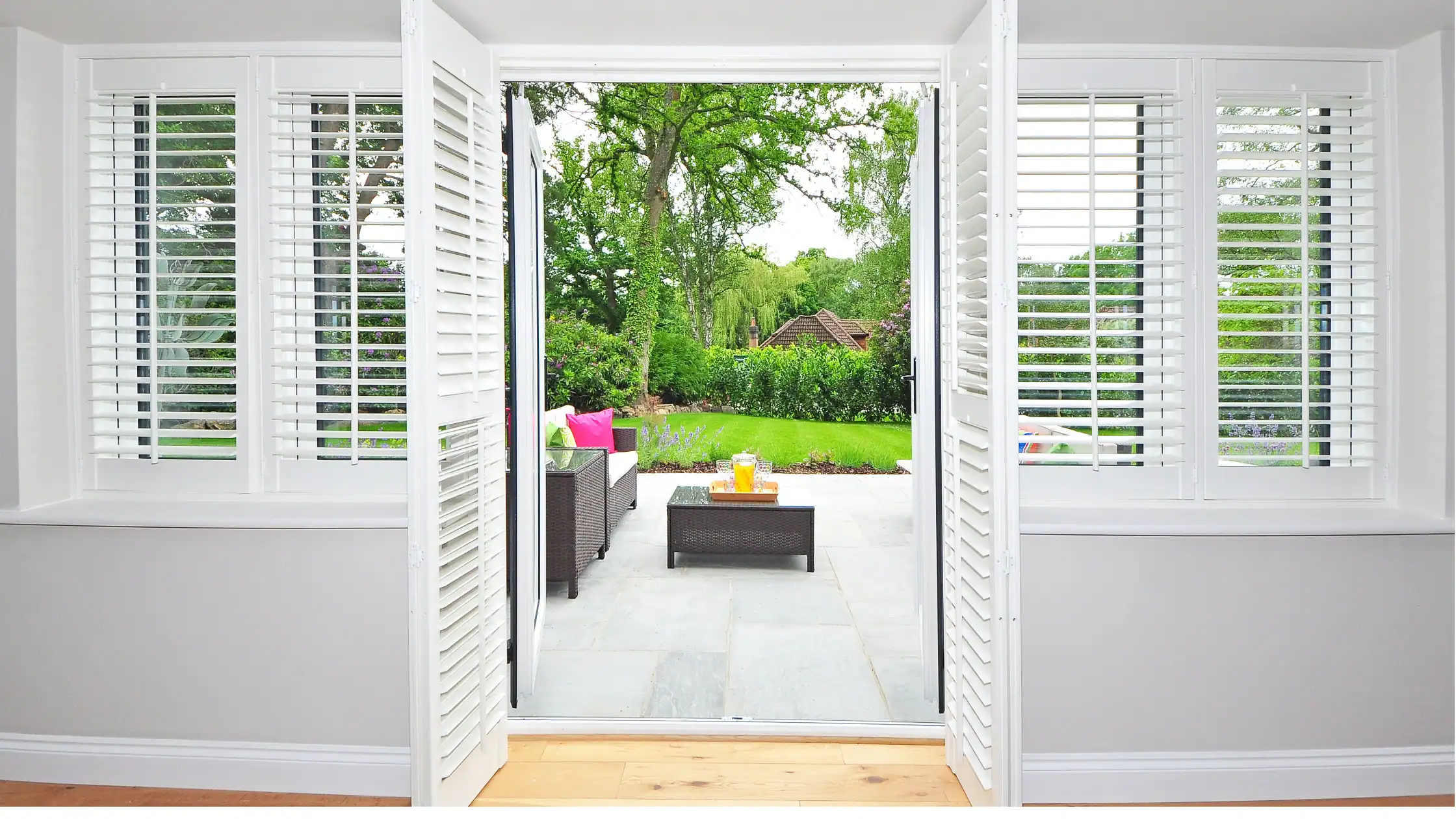
A homeowner once explained that choosing new shutters felt simple until the quotations arrived. One supplier offered a surprisingly low figure, another quoted almost twice as much, and a third split the product, delivery, and installation into separate charges. Although every company had measured the same openings, the totals describe entirely different projects.
This happens because aluminium shutters are custom-built architectural features rather than standard products off the shelf. Their cost reflects the size and shape of the opening, the amount of metal required, the frame design, the hardware quality, the surface finish, and the installation conditions. Learning how these factors affect the price makes it easier to compare quotations and avoid paying for features that do not suit the property.
What Shapes Aluminium Plantation Shutters Prices?
Aluminium plantation shutters prices usually begin with the dimensions of each opening. Manufacturers may calculate the base cost by square metre, but the final amount can change after panel layouts, frame requirements, finishes and installation work are added. A small rectangular opening is generally faster and less expensive to manufacture than a wide doorway with several moving panels.
A detailed quotation should explain the scope of work rather than present a single unexplained number. When comparing suppliers, ask whether the quoted amount includes site measurement, design consultation, production, freight, installation, and post-installation adjustments.
The main pricing components often include:
- Width and height of every opening
- Number of panels and louvres
- Aluminium grade and profile thickness
- Frame and mounting configuration
- Standard or customised powder coating
- Hinges, tracks, locks and control mechanisms
- Access equipment and installation labour
- Removal of existing window coverings
- Product and artistry warranties
A quote that appears more expensive may include stronger hardware, outdoor-rated coatings and professional fitting. A cheaper quote may exclude several of these items, making direct comparison difficult until the inclusions are reviewed.
Window Dimensions and Panel Configuration
Larger openings need more aluminium, longer frames and additional hardware. The weight of each panel must also be carefully managed, particularly across wide living-room windows, sliding doors, and outdoor entertaining areas. Extra panels may be needed to make the shutters easy to open without placing excessive strain on the hinges.
The panel layout affects both price and daily use. A single window shutter may suit a narrow opening, while broad doors may need bi-fold or sliding configurations. More panels create additional manufacturing steps because each one requires individual framing, louvres, hinges and alignment.
Common configurations include: One-hinged panel for small openings
- Two-hinged panels for standard windows
- Bi-fold panels for wide openings
- Bypass sliding panels for glass doors
- Multi-track systems for large outdoor spaces
- Fixed panels for selected exterior applications
Fewer panels may reduce the initial price, but the design must remain practical. A panel that is too wide can become heavy, place pressure on its fittings and interfere with nearby furniture.
Aluminium Grade and Structural Strength
Not all aluminium shutters are manufactured to the same standard. Differences in profile thickness, internal reinforcement and joining methods affect how well a panel resists bending, sagging and vibration. A lightweight product may cost less, yet it may feel less stable when installed across a large or exposed opening.
High-quality external aluminium plantation shutters commonly use rigid frames, reinforced corners and corrosion-resistant fittings. These features become more valuable in coastal areas, where salt, moisture and strong sunlight can slowly wear down unsuitable materials.
Signs of stronger construction include:
- Firm frames that do not twist easily
- Smooth and even louvre movement
- Reinforced corners and connection points
- Minimal gaps between blades
- Durable hinges and fasteners
- Coatings made for exterior exposure
- Replaceable operating components
The best plantation shutters are not always the most expensive products in the showroom. They are the ones whose materials and construction match the size, location and exposure of the installation.
Standard Openings Versus Custom Shapes
Square and rectangular openings are generally more economical because they follow familiar production processes. Arched, circular, triangular or angled windows require detailed templates, additional design work and careful assembly. More material may also be wasted when unusual shapes are cut from standard aluminium lengths.
Older properties often contain walls and reveals that are slightly uneven. A made-to-measure frame can hide these irregularities and create a neat finished appearance, but additional measuring and installation time may be required. Custom Plantation Shutters can turn an awkward architectural feature into a focal point rather than leaving it visually disconnected from the room.
Custom pricing may apply to:
- Bay and corner windows
- Arched or circular openings
- Sloping ceiling windows
- Tall stairwell windows
- Openings with deep or uneven reveals
- Frames built around existing handles
- Wide doors requiring several tracks
Accurate site measurement is particularly valuable for these installations. Small errors can cause panels to scrape, leave uneven gaps or fail to close correctly.
Interior and Exterior Installation Requirements
Indoor shutters are usually installed for light control, privacy and visual appeal. Outdoor systems face additional pressure from wind, rain, dust, humidity and changing temperatures. The frames, coatings and fittings must match those conditions, which can increase the purchase price.
Homes with windows featuring exterior shutters may also require stronger mounting points than rooms with indoor products. An installer may recommend reinforced brackets, stainless steel fasteners or additional supports where the shutters face open surroundings.
Exterior pricing can be influenced by:
- Wind exposure
- Proximity to the coast
- Direct rain and sunlight
- Mounting height
- Wall construction
- Required locks or catches
- Access for cleaning and servicing
The design of exterior shutters on windows should account for how the weather moves around the building. A sheltered courtyard and an exposed upper-storey wall may require different product specifications, even when the openings have similar dimensions.
Frame Profiles and Mounting Choices
The frame supports the panels and keeps them aligned. It can also conceal minor gaps around the opening and create a finished border. Different profiles use different amounts of material, so the chosen frame can influence both appearance and price.
An inside mount sits within the reveal, creating a streamlined finish. An outside mount covers part of the surrounding wall and may suit shallow, uneven or obstructed reveals. The installation of exterior shutters on a façade may require additional brackets, flashing, or weatherstripping.
Before selecting a frame, examine:
- Reveal depth
- Window handles and locks
- Inward or outward opening windows
- Flyscreens and security screens
- Nearby curtain tracks
- Wall condition
- Space for panel movement
A suitable frame should support the shutters without restricting the existing window. Choosing a profile solely based on appearance can lead to clearance issues after installation.
Louvre Size and Operating Mechanisms
Louvre size changes the appearance, light control and view through the shutters. Wider louvres create broader sightlines when open, while narrower blades can suit smaller windows or traditional interiors. The size and number of blades affect manufacturing time and panel weight.
The operating mechanism also influences the total. A visible centre rod offers a familiar appearance, while concealed systems create cleaner lines. Split controls allow the upper and lower louvres to move separately, helping occupants balance privacy and daylight.
Available options may include:
- Centre tilt rods
- Offset tilt rods
- Concealed controls
- Split louvre sections
- Fixed outdoor blades
- Lockable operating systems
Simple controls are often the most economical. Concealed or divided systems may cost more, but they can provide greater flexibility in street-facing rooms and frequently used living spaces.
Powder Coating and Colour Selection
Most aluminium shutters receive a powder-coated finish that adds colour and protects the metal. Standard colours tend to be less expensive because manufacturers produce them regularly. Custom shades may require separate preparation, minimum production quantities or longer lead times.
A suitable coating helps defend the surface against fading, moisture and corrosion. This protective layer matters for Shutters installed in humid rooms, outdoor areas, or coastal suburbs, where salt can settle on exposed surfaces.
When comparing finishes, ask about:
- UV resistance
- Coastal suitability
- Cleaning requirements
- Colour warranty
- Texture and sheen
- Touch-up availability
- Compatibility with existing frames
A neutral shade can remain adaptable as interior colours change. A customised finish may produce a stronger architectural effect, but matching it during future repairs may be more difficult.
Installation Access and Labour
The complexity of the installation can change the quotation even when the shutters themselves are straightforward. Ground-floor openings with clear access usually require less labour than high windows, stairwell installations or areas blocked by built-in furniture.
Existing Blinds Sydney homeowners already have may need to be removed before frames can be fitted. Tracks for Curtains Sydney properties use can also limit the available mounting area. These details should be recorded during the site inspection rather than discovered after production.
Extra labour charges may apply when the project involves:
- Upper-storey access
- Scaffolding or specialised ladders
- Masonry or concrete drilling
- Damaged window reveals
- Existing security screens
- Limited working space
- Removal of old coverings
- Disposal of unwanted materials
Preparing the area before installation can save time. Moving furniture, clearing decorative items and arranging access to locked rooms may help the fitting process run more smoothly.
Hardware, Locks and Moving Components
Hinges, fasteners, tracks and control systems carry the weight of the shutters and support repeated daily movement. Lower-priced hardware may loosen or corrode sooner, particularly in damp or exposed locations. Stronger fittings can add to the upfront cost but may reduce maintenance needs.
Security-related features can also affect pricing. Lockable panels, reinforced frames and heavy-duty tracks are useful for accessible outdoor openings, although buyers should confirm whether the product has been formally tested as a security system.
Possible hardware upgrades include:
- Stainless steel fasteners
- Heavy-duty hinges
- Reinforced sliding tracks
- Lockable panels
- Wind-resistant catches
- Replaceable rollers
- Corrosion-resistant control rods
Good hardware is easy to overlook because much of it is small or partly hidden. Yet these components often determine whether the shutters continue to operate smoothly after years of use.
Supplier Experience and Warranty Protection
The supplier’s price may reflect the level of design assistance, measurement accuracy, installation skill and after-sales service offered. Established businesses may charge more because they maintain trained installers, replacement parts and service teams.
When comparing Shutters Australia suppliers, read the warranty conditions rather than focusing solely on the advertised number of years. Some warranties cover manufacturing faults but exclude surface damage, coastal exposure or labour charges.
A clear warranty should explain:
- Which components are covered
- How long each part is protected
- Whether installation labour is included
- Maintenance responsibilities
- Coastal and outdoor exclusions
- Service call charges
- Availability of replacement parts
Plantation shutters Sydney suppliers should also explain who handles adjustments after installation. Even a well-made product may need minor alignment as panels settle into place.
Comparing Aluminium With Other Window Coverings
Aluminium is often selected for strength, moisture resistance and outdoor performance. Timber offers natural warmth, while PVC and composite products may provide lower-cost choices for protected indoor rooms. The right material depends on where the covering will be installed and how often it will be used.
Comparing shutter blinds with soft furnishings requires more than checking the purchase price. Blinds sold by Sydney retailers may suit compact spaces, while aluminium shutters may offer greater rigidity and weather resistance. Australian roller shutters provide a different type of coverage, often focused on full closure, insulation or added protection.
A fair comparison should examine:
- Expected lifespan
- Maintenance requirements
- Moisture resistance
- Light and airflow control
- Ability to withstand outdoor exposure
- Repair and replacement costs
- Effect on the room’s appearance
No single covering is ideal for every room. Aluminium may be valuable for demanding locations, while fabric or composite alternatives may suit areas where softness and a lower entry cost matter more.
Practical Ways to Control the Budget
Reducing the project cost does not always require choosing thinner frames or lower-grade hardware. Homeowners can often control spending through thoughtful design choices, standard finishes and a staged installation plan.
Request itemised quotes based on the same measurements and specifications. This makes it easier to see whether a price difference comes from material quality, labour, warranty coverage or omitted services.
Helpful budgeting methods include:
- Choose standard powder-coated colours
- Use straightforward panel layouts
- Prioritise high-use rooms
- Group several openings into one installation
- Ask whether delivery is included
- Confirm removal and disposal charges
- Avoid decorative upgrades in low-use areas
- Complete the property in planned stages
A homeowner might begin with street-facing rooms and an outdoor entertaining area, then install matching products in bedrooms later. This approach spreads the investment while maintaining a consistent design.
How to Compare Quotations Fairly
The lowest figure is difficult to evaluate when the quotation lacks measurements, product specifications or installation details. Ask every supplier to quote against the same project scope.
A transparent proposal should explain the aluminium type, panel layout, frame, coating, hardware and labour. It should also identify possible additional charges before the order is approved.
Questions worth asking include:
- Are the measurements based on an on-site visit?
- What aluminium grade is being supplied?
- Is the product approved for indoor or outdoor use?
- Which frame and louvre sizes are included?
- Are delivery and installation part of the price?
- Will old coverings be removed?
- What could create an extra charge?
- Who completes future adjustments?
- What maintenance does the warranty require?
Clear answers help separate an economic offer from a quote that is simply incomplete. They also provide a written record of what the homeowner expects to receive.
Choosing Long-Term Value
Aluminium shutter prices reflect more than the amount of metal visible around a window. They account for the engineering behind each panel, the durability of the finish, the reliability of the moving parts and the skill required to fit the system correctly.
Treat the purchase as a permanent improvement rather than a temporary decorative update. Review several itemised quotations, match the product to the installation environment and ask how repairs will be handled. A well-chosen system can provide shade, privacy, ventilation and a clean architectural finish for many years.
Frequently Asked Questions
Why do aluminium plantation shutters prices vary so much?
Aluminium plantation shutters prices vary because suppliers may use different grades of aluminium, frame thicknesses, coatings, hardware and installation methods. One quote may include measuring, delivery and fitting, while another may cover only the manufactured panels. Opening size, custom shapes, outdoor exposure and difficult access can also change the final total. Itemised quotations make these differences easier to identify.
Are custom aluminium plantation shutters more expensive?
Custom shutters usually cost more when designed for arches, angled windows, wide doors, or uneven openings. These projects require detailed measurements, templates and additional manufacturing work. Customisation may also involve more material waste or reinforced frames. Although the purchase price is higher, made-to-measure products can provide better alignment, smoother operation and a cleaner appearance than standard-sized alternatives.
Does the colour affect the price of aluminium plantation shutters?
Standard powder-coated colours are usually included in the base product range, while custom shades may incur additional charges. A custom colour can require a separate coating process, a minimum order quantity, or a longer production schedule. The coating type also affects price. Outdoor-rated and coastal-grade finishes may cost more because they are designed to resist fading, moisture, salt and surface corrosion.
Is installation included in the price of aluminium plantation shutters?
Some suppliers include installation, but others charge separately. The quotation should state whether it covers site measurement, delivery, fitting, adjustment and removal of existing window treatments. Extra fees may apply for high windows, scaffolding, difficult wall materials or restricted access. Confirming these details before ordering helps prevent unexpected charges and supports an accurate comparison between suppliers.
Are aluminium plantation shutters worth the higher price?
Aluminium shutters can offer good long-term value in areas exposed to moisture, sunlight, wind or regular use. Their rigid construction and protective coating may make them more durable than materials designed only for sheltered indoor rooms. Value still depends on product quality and installation. Strong frames, reliable hardware, suitable coatings and clear warranty support usually matter more than choosing the lowest available price.

